

The housing market in August 2026 shows clear structural shifts. Inventory levels are rising in major regional markets, asking prices are adjusting downward in oversupplied areas, and mortgage rates remain steady in the mid-6% range.
Navigating the current environment requires relying on direct transactional metrics rather than speculative forecasts.
Current Market Indicators
Key metrics across the United States for August 2026:
30-Year Fixed Mortgage Rate: 6.52% to 6.65% average. Monthly payments remain high relative to historical averages.
Asking Prices: Down 2.5% year-over-year nationally. This reflects eight straight months of minor price corrections.
Total Supply: 1.56 million active units on the market, representing a 4.6-month supply at current absorption rates.
Listing Reductions: Approximately 20% of active listings have taken at least one price reduction before securing a contract.
Home Buying Strategies 2026
Buyers now have more room to negotiate terms, but financing costs require careful structuring.
Target High-Inventory Regions: Market conditions vary by geography. Active inventory in Sunbelt states is expanding, leading to longer listing times. The Northeast and Midwest remain tight with slower inventory growth. Focus searches where supply is increasing to gain negotiation leverage.
Request Seller-Funded Rate Buydowns: Instead of asking for a small drop in the sale price, request a credit to buy down the mortgage interest rate. A 2-1 buydown lowers the first-year interest rate by two percentage points and the second-year rate by one percentage point, saving more monthly cash than a minor price cut.
Account for Corporate Offloading: Institutional investors are selling more single-family homes than they are purchasing this quarter. This reduces competition for buyers looking at mid-tier single-family properties.
Finalize Broker Agreements Early: Clear rules now govern buyer-agent commissions. Define compensation terms and representation expectations in writing before viewing properties.
Home Selling Strategies 2026
Sellers must adjust to a market where buyers are cautious and sensitive to monthly costs.
Price Based on Active Listings, Not Past Sales: Recent sales data from three to six months ago may reflect higher price points. Set listing prices based on current competing inventory and active properties in the immediate neighborhood.
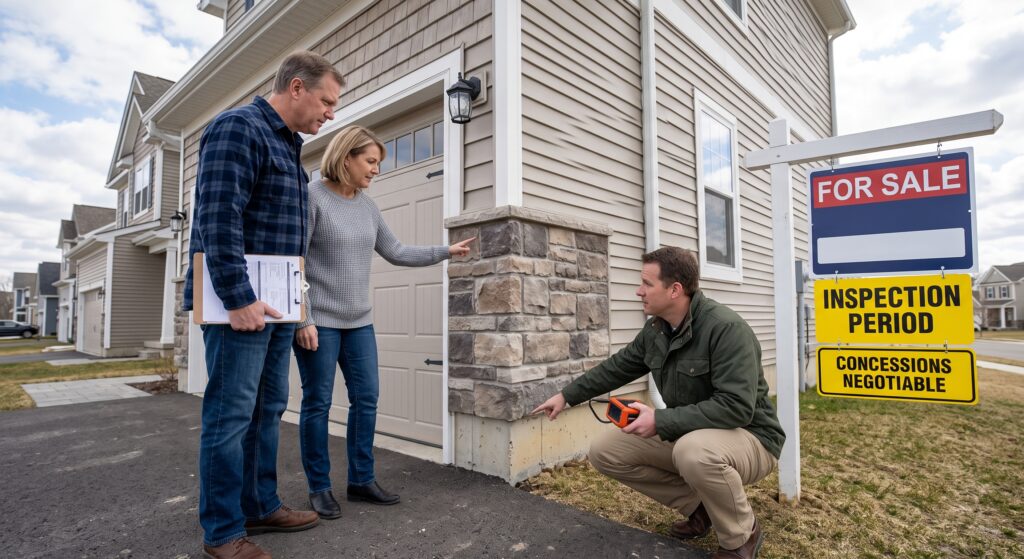
Address Repairs Before Listing: Higher inventory means buyers are quick to walk away from properties with maintenance issues. Complete pre-listing home, roof, and mechanical inspections to fix problems before putting the house on the market.
Offer Concessions in Marketing Materials: Highlight seller credits for buyer closing costs or rate buydowns directly in the listing description. This addresses the primary barrier for buyers—their monthly mortgage payment—without lowering the recorded sale price of the home.
The real estate market in 2026 is moving away from rapid price swings and returning to fundamental rules of supply, demand, and leverage. With mortgage rates holding steady in the mid-6% range and active inventory rising across major regions, neither buyers nor sellers hold complete control. Success in this environment depends on precise execution rather than waiting for dramatic rate drops.
Buyers who focus on local inventory shifts and request seller concessions can secure manageable monthly payments without waiting for broader market changes. Sellers who price accurately against active local competition and offer financial incentives upfront will protect their equity and avoid prolonged time on the market. Aligning your strategy with current transactional data is the most effective way to achieve a successful outcome in today’s housing market.