

American homeowners sit on an unprecedented total of liquid property equity. Yet, in the 2026 real estate climate, deploying that equity requires a level of financial discipline not seen in over a decade. Elevated material costs, skilled trade labor rates, and borrowing costs have completely flipped the traditional remodeling playbook.
A decade ago, a $150,000 full-gut kitchen or a luxury primary suite addition was viewed as a safe bet to boost a home’s appraisal. Today, national industry research—including the latest 2026 Cost vs. Value data—reveals a stark reality: large, discretionary interior overhauls are returning some of the lowest percentage yields on record.
Conversely, targeted exterior replacements and minor, functional interior refreshes are outperforming major structural remodels by nearly three to one. Achieving a high home renovation roi 2026 depends entirely on distinguishing between subjective luxury projects and value-anchored functional updates.
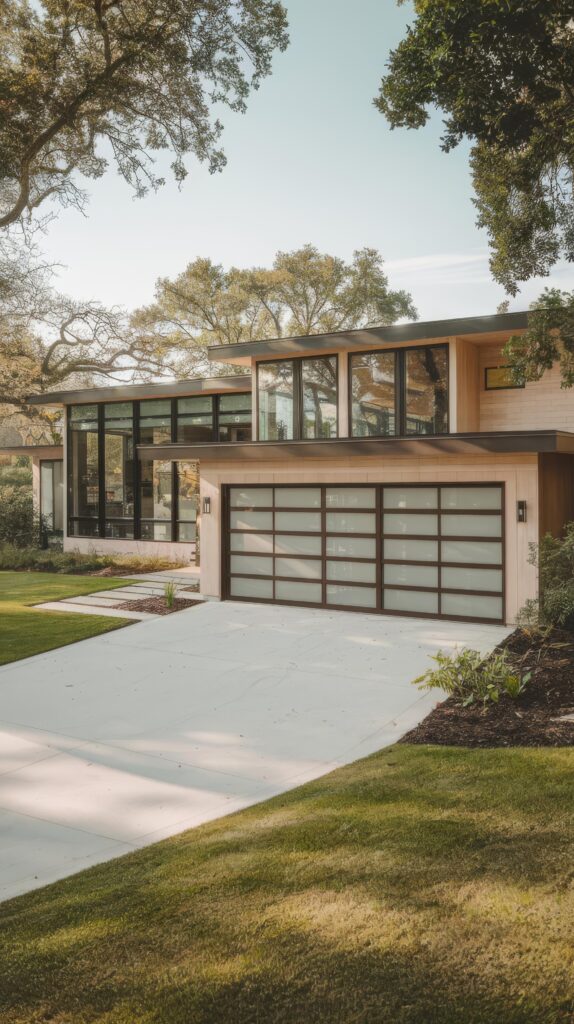
The Curb Appeal Phenomena: Why Exterior Projects Lead the Market
The disparity between exterior and interior renovation returns comes down to two factors: buyer psychology and upfront capital outlay.
When a prospective buyer views a property online or pulls up to the curb, high-visibility exterior elements signal how well the home has been maintained overall. A worn garage door or sagging entry door immediately creates an assumption of “deferred maintenance,” leading buyers to discount their initial offer price by far more than the actual cost of repair.
Furthermore, because exterior replacements require significantly lower capital outlays ($2,000 to $12,000) compared to full interior guts ($80,000 to $160,000), the percentage cost recovery at resale is dramatically higher.
• Garage Door Replacement: Consistently ranked as the single highest ROI project nationwide. Replacing an aging aluminum or wood door with a modern, insulated steel model averages under $5,000 but adds over $12,000 in perceived resale value—yielding a 268% cost recovery.
• Steel Entry Door Replacement: Replacing a weathered front door with an energy-efficient steel unit averages roughly $2,400 while recovering over 216% of its cost at closing.
• Manufactured Stone Veneer: Replacing lower-wall vinyl siding with stone accenting around the entryway or facade costs approximately $11,500 and yields a 208% return by instantly giving a builder-grade property a custom aesthetic.
The “Minor” Interior Rule: Refreshes vs. Full Gut Overhauls
Inside the home, the golden rule for 2026 is simple: preserve existing structural layouts and box structures wherever possible. Moving plumbing lines, removing load-bearing walls, and installing custom cabinetry rapidly balloon labor costs without adding proportional appraisal value.
Focusing on high roi home updates inside the house means prioritizing partial cosmetic overhauls that target high-wear touchpoints:
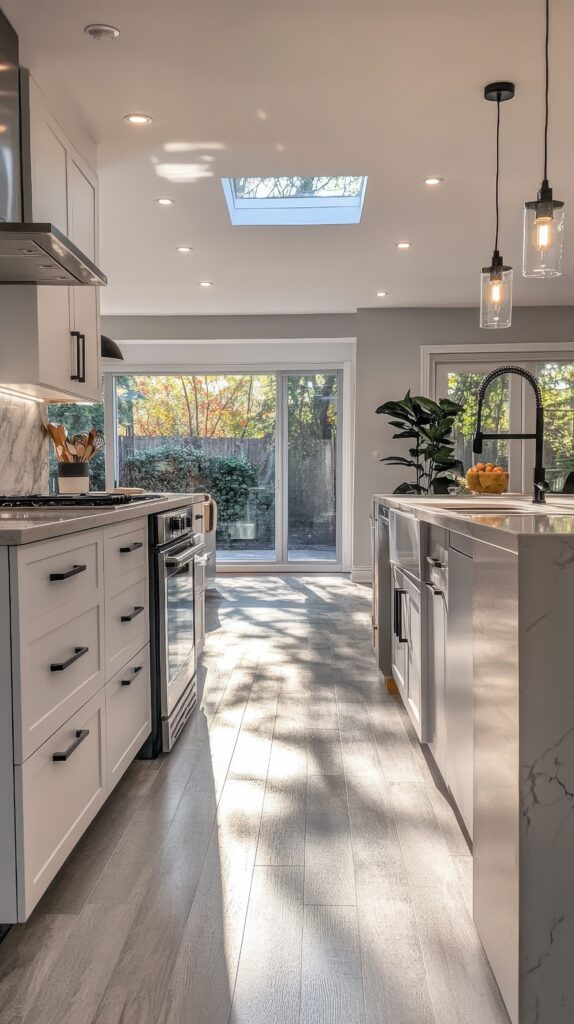
2026 Home Renovation Cost vs. Value Benchmarks
Minor Kitchen Refresh: Average Cost: $28,458 | Resale Value Added: $32,141 | Cost Recouped: 112.9%
Midrange Major Kitchen Remodel: Average Cost: $82,793 | Resale Value Added: $42,156 | Cost Recouped: 50.9%
Upscale Custom Kitchen Gut: Average Cost: $164,104 | Resale Value Added: $58,592 | Cost Recouped: 35.7%
Midrange Bath Refresh: Average Cost: $25,200 | Resale Value Added: $18,400 | Cost Recouped: 73.0%
Upscale Primary Suite Addition: Average Cost: $156,000 | Resale Value Added: $53,000 | Cost Recouped: 34.0%
1. Home Equity Line of Credit (HELOC)
A HELOC functions as a revolving line of credit secured by your home’s equity, operating as a second lien behind your primary mortgage.
• The Strategy: If your existing primary mortgage sits at a low rate (e.g., 3% to 4.5%), a HELOC is almost always the superior choice. It allows you to borrow only what you need for contractor milestones without resetting your primary loan’s low rate on the remaining principal balance.
• The Risk: HELOC interest rates are variable. If benchmark interest rates fluctuate during your draw period, monthly holding costs will increase.
2. Cash-Out Refinance
A cash-out refinance replaces your current primary mortgage with a completely new first mortgage for a higher loan amount, paying out the difference in liquid cash at settlement.
• The Strategy: This approach makes sense only if your current primary rate is close to or higher than prevailing market rates, or if you require a large lump sum for a major, multi-phase renovation and want the certainty of a single, fixed monthly payment over 15 or 30 years.
• The Risk: Refinancing a 3.5% primary mortgage balance into a 6.5%+ loan just to extract $50,000 in equity will add hundreds of dollars in interest per month across your entire principal balance—wiping out any financial gain achieved by the renovation.

Executive Summary for Homeowners
1. Fix Maintenance First: Structural envelopes (roofs, foundations, siding, HVAC) do not “add” massive resale premiums, but failure to repair them guarantees steep price concessions during buyer inspections.
2. Prioritize the Front Facade: Exterior garage doors, front entry doors, and stone veneer accents deliver the highest percentage returns in the industry, often exceeding 200% cost recovery.
3. Keep Interior Remodels Minor: Focus kitchen and bath work on cabinet refacing, quartz surfaces, updated hardware, and lighting rather than structural floorplan shifts.
4. Protect Your Primary Rate: Avoid cash-out refinancing if you hold a low primary mortgage rate. Utilize a HELOC or liquid savings to fund phased upgrades.